

Therapy for Babas
The term "baba" means "father" or "dad" in dozens of languages worldwide, serving as an affectionate and informal title for a male parent. Its meaning and cultural significance span the globe in several distinct ways:
Global Usage: "Baba" (or very similar variations like papa) means father in languages as diverse as Arabic, Persian, Turkish, Hindi, Urdu, Swahili, Yoruba, Bengali, and Chinese.
Linguistic Convergence: Because infants across the world instinctively put their lips together to create simple, open-vowel vocalizations, the term naturally arose in many different, unconnected cultures.
Honorific & Spiritual Respect: In various cultures, the word is used beyond the immediate family to show deep respect. For example, in South Asia, it is used to address or refer to older, respected men, spiritual leaders, and sages (e.g., Hindu sadhus). In West African Yoruba traditions, Baba is tied to priesthood (e.g., Babalawo means "father of secrets").
What Is happening to you?
Are you feeling invisible, unnecessary and inadequate when it comes to caring for your new baby? Or even for your partner? Do you feel forgotten, excluded, or trapped in the new patterns of your relationship? Do you find yourself confused, helpless or even resentful for the way your life has changed? These feelings may leave you feeling overwhelmed, irritable and angry. It's common to find distractions to bring some relief.
Whole-Person Support for Fathers
"The Dad Check-In"
How many hours of sleep are you getting?
When was the last time you exercised?
How connected do you feel to your partner?
How connected do you feel to your child?
Are you using alcohol or other substances to cope?
When was the last time you did something for yourself?

Fatherhood changes everything
Whether you're adjusting to becoming a new dad, struggling to balance work and family, navigating relationship challenges, or trying to stay connected to your children through separation or divorce, you don't have to figure it out alone.
We help fathers strengthen their mental health, relationships, and overall well-being through a comprehensive biopsychosocial approach to care.
Because being a great father isn't just about parenting—it's about caring for the whole person behind the role.

Our Whole-Father Approach
We use a biopsychosocial model of care that recognizes that fatherhood affects every aspect of a man's life.
The Challenges Fathers Face
Many dads come to therapy feeling overwhelmed, exhausted, or disconnected.
You may be experiencing:
Stress and burnout
Anxiety or depression
Anger and irritability
Relationship or marital conflict
Challenges with co-parenting
Divorce or separation
Difficulty balancing work and family life
Loss of identity after becoming a father
Feelings of isolation or loneliness
Parenting stress
Substance use concerns
Difficulty managing emotions
You don't have to carry it all by yourself.
Fathers play an important role in the well-being of children. Research shows that children with engaged fathers are less likely to experience issues with their mental and behavioral health. These children are also more likely to have greater success academically and as adults.

Fatherhood Doesn't Come With a Manual.
Support for dads who want to show up stronger at home, at work, and for themselves.

SERVING: VA, MO
Founder + Clinical Director,
Board-Approved Clinical Supervisor,
Board-Certified,
Licensed Professional Counselor
Mohammad Baig, LPC, NCC
Focus areas: mental health evaluations, ADHD, Depression, Anxiety, Grief, Personality Disorders, OCD, PTSD, trauma, and more.
As a therapist and baba, Mr. Baig understands that fatherhood can be both deeply meaningful and incredibly demanding. The responsibilities of providing, protecting, leading, and staying emotionally present can leave many fathers feeling overwhelmed and isolated. Therapy for Dads was created to provide fathers with a space where they can focus on their own well-being while strengthening the relationships that matter most.

Our direct services aim to support fathers in every aspect of their lives.
Scholar Stephen Baskerville said, “The myriad of personal and social challenges often experienced by high-risk fathers are often felt to be insurmountable, and without a support system in place they give up altogether, becoming absentee parents. When this happens, the consequences ripple through society, but nowhere are they felt as hard as by the children left behind. Virtually every major social pathology has been linked to fatherlessness: violent crime, drug and alcohol abuse, truancy, teen pregnancy, suicide – all correlate more strongly to fatherlessness than to any other single factor.”
Biological Health
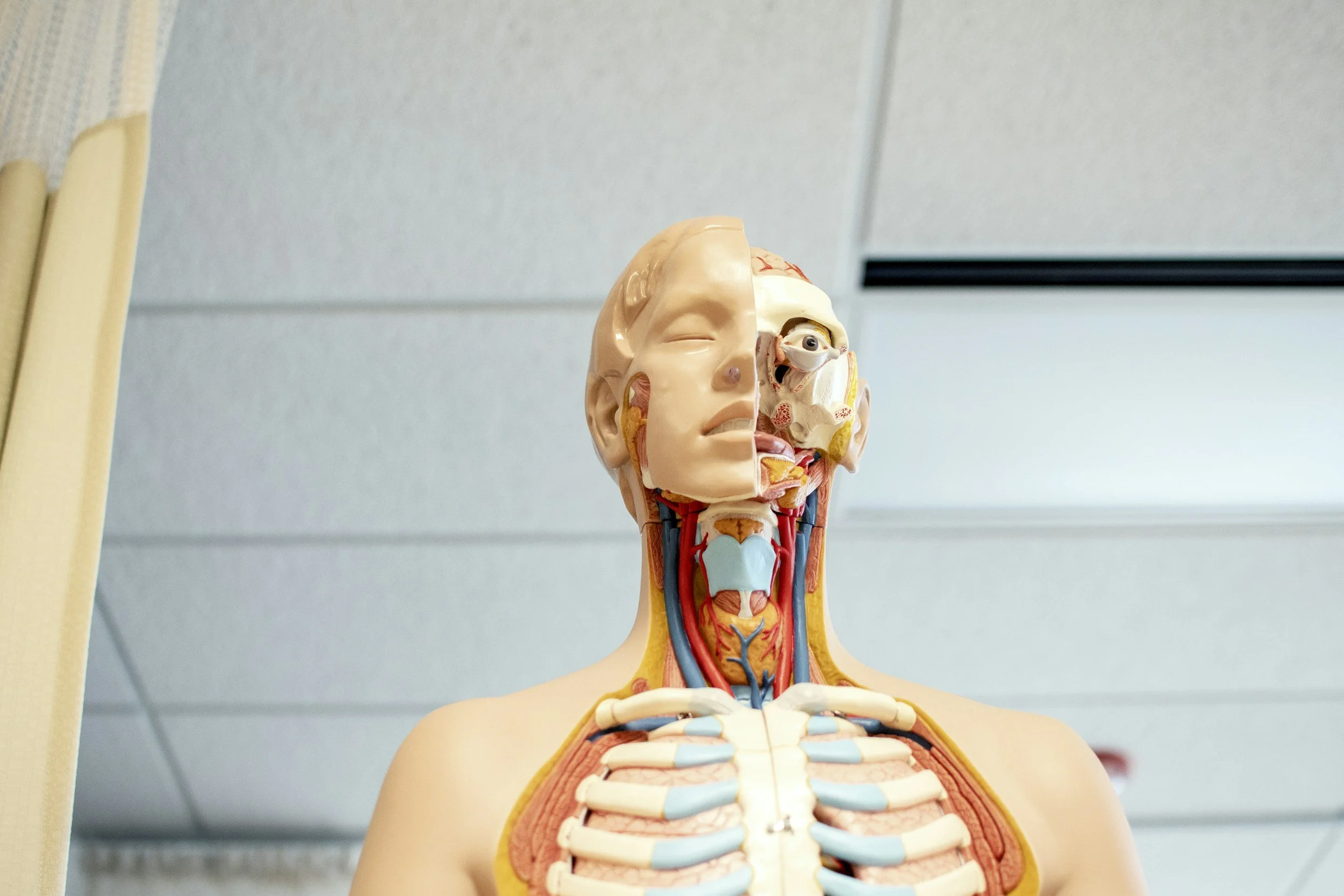
A father's physical well-being directly impacts his ability to show up for himself and his family.
We explore:
Sleep
Exercise
Nutrition
Stress management
Physical health concerns
Substance use patterns
Psychological Health
Mental health is a critical component of effective parenting and personal well-being.
We address:
Anxiety
Depression
Trauma
Emotional regulation
Self-esteem
Personal growth
Identity development

Social Health
Relationships play a significant role in a father's overall wellness.
We focus on:
Marriage and partnerships
Co-parenting
Family relationships
Friendships and support systems
Career stress
Work-life integration

Who Takes Care of the Man Behind the Dad?
Therapy for fathers navigating stress, relationships, divorce, and the challenges of modern fatherhood.
Society views men as stoic, self-sacrificing, and strong. When men feel none of those things as new fathers, it might be hard to admit it or seek help. The stigma in experiencing difficulties as a new parent is sometimes greater for men than women.
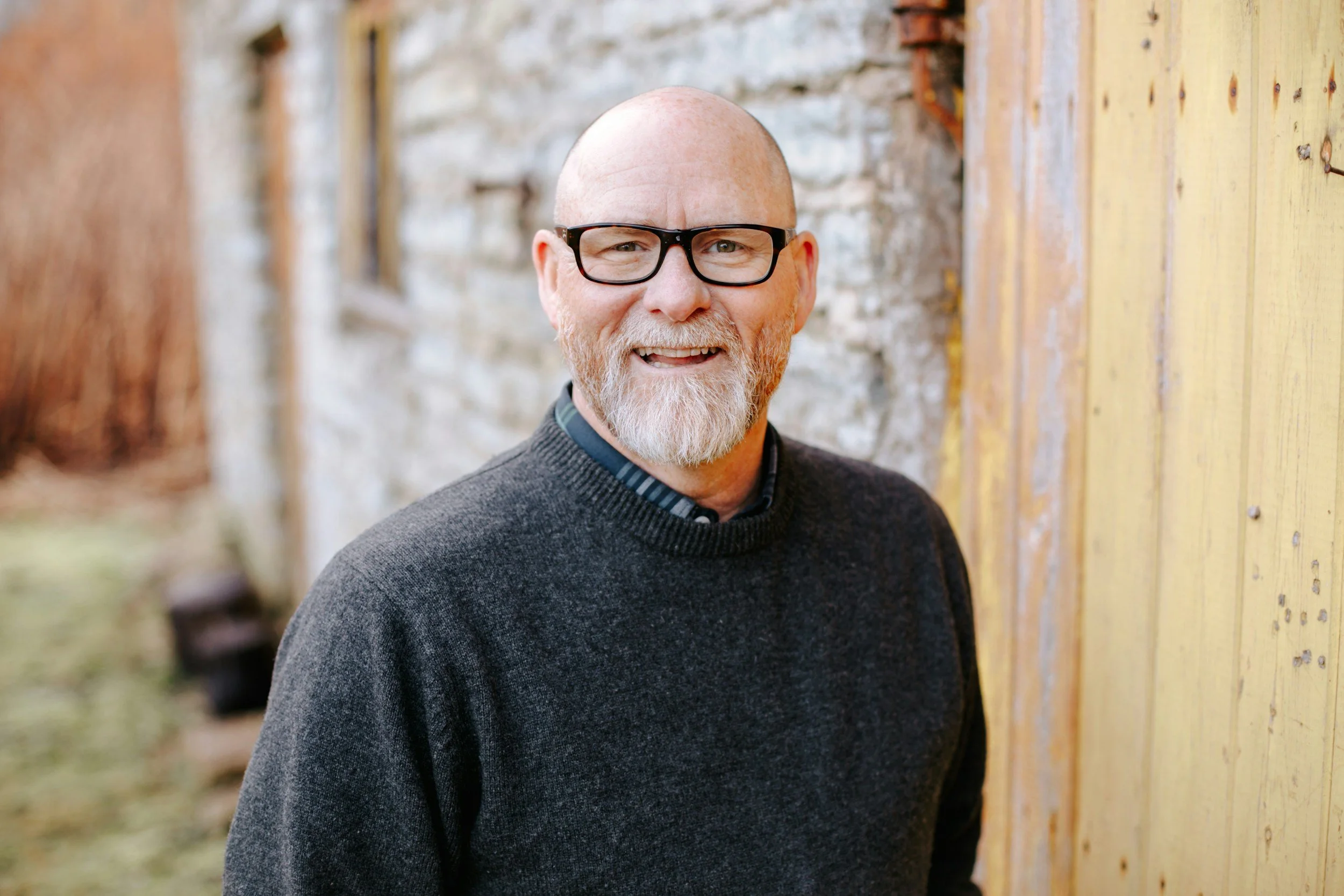
What can I expect from therapy?
You don’t have to spill your life story on day one or sit on a couch talking about your childhood for an hour (unless you want to). Therapy is a conversation, one that moves at your pace. It’s a space where you can say the things you usually keep to yourself without worrying about judgment or “getting it wrong.”
You can expect:
Straightforward conversation. No psychobabble, no forced vulnerability. Just honest talk about what’s been heavy lately. Practical tools. Strategies to manage stress, anger, and pressure so you can feel more in control and show up how you want to: at home, at work, and with your kids. Clarity and perspective. Therapy helps you step back, connect the dots, and make sense of patterns that keep you stuck. A real connection. You’ll have someone in your corner. Not to fix you, but to help you find your own footing.
Our commitment extends beyond simply providing support; we partner with fathers to enhance their communication skills, identify valuable resources, and effectively manage conflicts. Together, we focus on ensuring that fathers remain physically and emotionally present for themselves and their children. Our work extends to mothers and youth within these families, guaranteeing that every member receives the support they need when needed.
Who We Help
New Fathers
Adjusting to the demands and identity shifts that come with parenthood.
Working Professionals
Balancing career responsibilities while remaining present at home.
Divorced and Separated Fathers
Navigating co-parenting, grief, and maintaining meaningful relationships with children.
Fathers Facing Stress and Burnout
Learning sustainable strategies to manage pressure and improve quality of life.
Military, Veterans, and First Responders
Addressing the unique challenges associated with service, transition, and family life.

Therapy for dads is a space to unpack those pressures, explore what kind of father and partner you want to be, and learn tools to show up with calm, clarity, and connection; no judgment, no jargon, no “fixing.” Just room to breathe and be real. Because being a good dad (or a good partner) doesn’t mean doing it all alone.
Common Reasons Fathers Seek Therapy
"I feel stressed all the time."
"I'm struggling after my divorce."
"I want to be a better dad."
"My relationship is suffering."
"I don't recognize myself anymore."
"I feel disconnected from my family."
"I have everything I thought I wanted, but I still feel unhappy."
If any of these sound familiar, therapy can help.
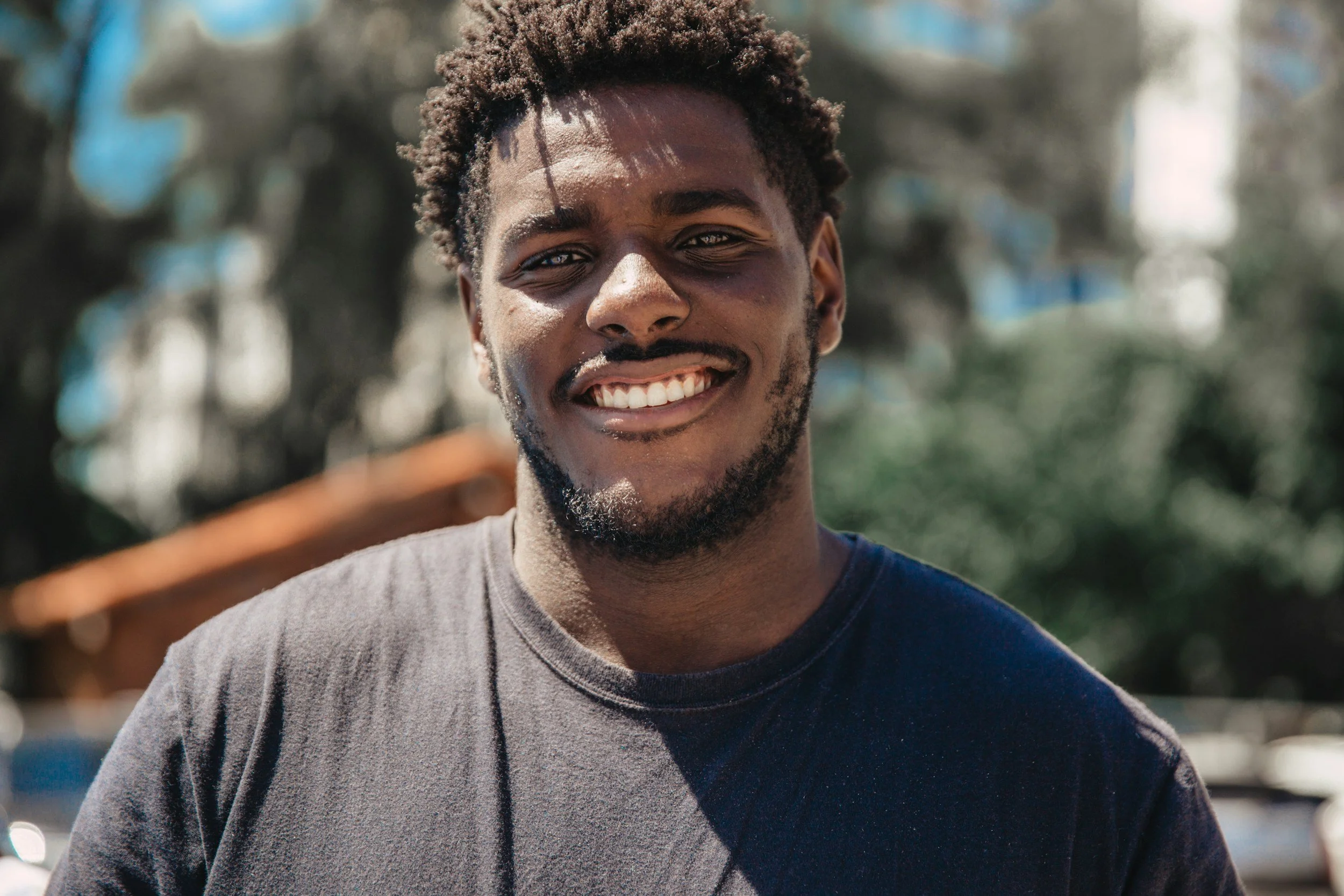
Did you know that fathers get postpartum depression too? In fact, depression in new dads is twice as common as in men in general. 1 in 10 fathers, to be exact. It’s not just the mother who carried the baby in her stomach; it’s also the father who carried the baby in their mind, and you are not alone.
Frequently Asked Questions
Do I need to be in crisis to start therapy?
No. Many fathers seek therapy proactively to improve relationships, manage stress, and develop healthier habits.
Can therapy help with co-parenting and divorce?
Absolutely. Therapy can provide support for managing conflict, navigating life transitions, and maintaining strong relationships with your children.
Do you work with new fathers?
Yes. Becoming a father often brings significant emotional, relational, and identity changes that therapy can help address.
Is therapy confidential?
Yes. Therapy sessions are confidential except in situations where disclosure is required by law.
Take the First Step
Being a strong father doesn't mean carrying every burden alone.
Therapy can help you improve your mental health, strengthen your relationships, and become the father, partner, and man you want to be.